Skip to content

Facial aging can appear gradually, but many people notice a moment when changes become harder to ignore. Skin may start to look looser along the jawline, deeper folds may form around the mouth, and the face can lose the definition it once had. These changes are common with time, especially for people experiencing facial sagging after 40.
For individuals seeking a long term solution to deep wrinkles and loose skin, a Facelift can help restore a more balanced facial appearance. At Peninsula Plastic Surgery, patients looking for facial aging correction in Berlin and Salisbury, MD often explore facelift surgery to address sagging skin, deep facial folds, and loss of facial contour.
How does a facelift treat loose skin and deep wrinkles? A Facelift treats facial aging by tightening underlying tissues, repositioning sagging structures, and removing excess skin, which smooths wrinkles and restores natural facial contours.
Why Loose Skin And Deep Wrinkles Develop Over Time
Facial aging involves more than surface changes. Over time, the deeper structures of the face gradually shift, affecting the way skin and tissue sit along the cheeks, jawline, and neck.
Several natural changes contribute to deep wrinkles and loose skin:
- Collagen and elastin production declines as the skin ages
- Facial fat pads shift downward, which contributes to sagging
- Repeated expressions deepen lines around the mouth and cheeks
- Skin becomes thinner and less able to maintain firmness
These changes are especially noticeable in the lower portion of the face. Many patients begin to see:
- Jowls forming along the jawline
- Deep lines between the nose and mouth
- Loose skin under the chin or along the neck
While skincare can improve surface texture, it cannot reposition the deeper tissues responsible for structural facial changes. This is why some people consider advanced facial rejuvenation surgery when sagging becomes more noticeable.
How Facelift Surgery Treats Loose Skin And Deep Wrinkles
A Facelift addresses facial aging by focusing on both the skin and the deeper structures beneath it. During surgery, underlying facial tissues are repositioned to improve support and restore structure.
At Peninsula Plastic Surgery, surgeons such as Dr. Perrotta and Dr. Kerestes perform facelift procedures that focus on improving facial contours while keeping incisions discreet.
Key components of surgical wrinkle reduction include:
- Tightening deeper facial tissue layers that have shifted over time
- Removing excess skin that contributes to sagging
- Repositioning skin for a smoother facial appearance
This process can help soften treatment for deep facial folds, particularly in areas where wrinkles have become more pronounced.
Rather than simply pulling the skin tighter, modern facelift techniques address the deeper layers of the face. This approach supports a natural looking improvement in facial shape.
How A Facelift Restores Natural Facial Contours
One of the most noticeable benefits of a Facelift is the restoration of facial balance. As tissue shifts downward with age, the face can lose its definition.
By repositioning underlying tissues, facelift surgery can help restore facial contours that have gradually changed over time.
Patients often notice improvements in areas such as:
- Jawline definition becoming clearer
- Reduced appearance of jowls
- Smoother transitions between the cheeks and lower face
Many people choose a facelift for jawline definition when sagging along the lower face begins to affect the overall facial shape. This structural approach allows the face to look refreshed while maintaining natural facial proportions.
Facial Areas That Often Improve With A Facelift
A Facelift primarily focuses on the lower portion of the face and neck, where sagging tends to be most noticeable.
Common areas addressed include:
- Sagging cheeks that affect midface contour
- Deep folds along the sides of the nose and mouth
- Loose skin along the jawline that creates jowls
- Skin laxity in the lower face and upper neck
These areas often contribute to an aged appearance when skin and tissue lose support.
For patients concerned about nasolabial fold correction surgery, repositioning facial tissues can help reduce the depth of these folds and create smoother facial transitions.
Some patients may also benefit from a lower face lift for jowls, which focuses on restoring definition to the jawline and lower facial contour.
When Facelift Surgery May Be Considered For Facial Aging
People consider Facelift surgery at different stages of facial aging. For some individuals, changes appear gradually through their forties and fifties. Others may notice more advanced sagging later in life.
You may consider sagging skin treatment for face if you notice:
- Loose skin along the jawline or neck
- Deep facial folds that remain visible even at rest
- Facial contours that appear less defined than before
Candidates for facelift surgery often include individuals who have developed:
- Jowls or hanging skin along the lower face
- Wrinkles affecting the face and neck
- Loss of youthful contour around the chin and jawline
At Peninsula Plastic Surgery, consultation with a qualified surgeon helps determine whether advanced facial rejuvenation surgery may be appropriate for your goals.
Why Surgical Planning Matters For Natural Looking Results
Every face ages differently. For this reason, facelift surgery is carefully planned based on each patient’s anatomy and concerns.
At Peninsula Plastic Surgery, procedures are customized to address the specific areas where aging changes are most noticeable.
Surgical planning may consider factors such as:
- Skin elasticity and tissue structure
- The location and depth of wrinkles
- Facial proportions and symmetry
During a facelift, incisions are typically placed within the hairline above the ear and around the ear to minimize visibility. This approach addresses common concerns about how to tighten loose facial skin, as the surgeon lifts the skin, tightens underlying muscles, and removes excess tissue before repositioning it.
This individualized approach helps create results that look refreshed rather than overly tight.
Supporting Long Term Facial Rejuvenation After Surgery
After facelift surgery, maintaining skin health can help support long lasting results.
Many patients benefit from adopting habits that protect their skin and overall facial appearance.
Helpful steps may include:
- Consistent sun protection
- Maintaining a healthy skincare routine
- Periodic skin treatments recommended by your provider
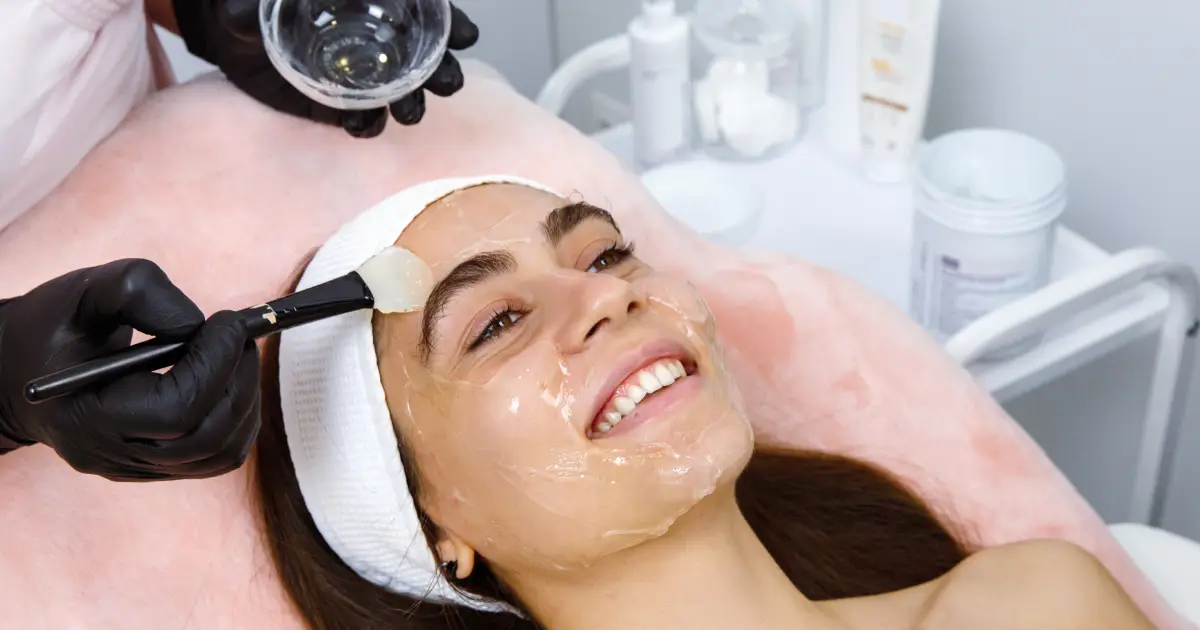
At Peninsula Plastic Surgery, surgeons often recommend supportive treatments such as chemical peels or laser procedures to help maintain the skin’s appearance after surgery.
These approaches complement the results of surgical wrinkle reduction by supporting skin quality over time.
Considering A Facelift For Facial Aging?
Loose skin, deep wrinkles, and loss of facial contour are common concerns as the face ages. A Facelift offers a surgical approach to address these structural changes by tightening tissue, reducing sagging, and restoring natural facial balance.
At Peninsula Plastic Surgery, patients seeking facial aging correction in Berlin and Salisbury, MD receive personalized care from experienced surgeons who tailor each procedure to the individual. For those exploring options for sagging skin treatment on the face or for improving deep wrinkles and loose skin, our team can help guide you through the process.
If you would like to learn more about advanced facial rejuvenation surgery, schedule your Facelift consultation today.