Skip to content

Table of Contents
Stress can show up in ways you don’t expect, and for many people in their 30s, that includes noticeable hair loss. You might see more strands in the shower, thinning around your part, or a ponytail that feels lighter than it used to. It can feel sudden and frustrating, especially if you have never dealt with this before.
The good news is that stress-related hair loss is often temporary, and with guidance from the providers at Peninsula Plastic Surgery, there are effective stress-related hair loss treatment options and some of the best solutions for hair thinning and hair loss to support recovery and improve regrowth when your hair does not bounce back on its own.
Can stress-related hair loss in your 30s be reversed and how do you restore hair growth?
Yes, stress-related hair loss can often be reversed by allowing the hair cycle to recover and, when needed, using targeted treatments like PRP therapy and medical support to stimulate regrowth and restore hair thickness after stress.
What Causes Post-Stress Hair Loss In Your 30s
The most common cause of post-stress shedding is a condition called telogen effluvium. This happens when a physical or emotional stressor pushes more hair follicles than usual into the resting phase. A few months later, those hairs begin to shed all at once.
Stress does not have to be extreme to trigger this. It can come from:
- Illness or surgery
- Major life changes
- Ongoing burnout or lack of sleep
- Hormonal shifts that become more noticeable in your 30s
In your 30s, your body may not recover as quickly as it once did, which can make shedding feel more dramatic or prolonged. This is why many people first notice thinning during this stage of life.
How To Tell If Your Hair Loss Is Stress-Related
Timing is one of the biggest clues. With stress-related shedding, hair loss typically starts about two to three months after the triggering event.
You may notice:
- More hair coming out during washing or brushing
- Thinning across the entire scalp rather than in one spot
- A sudden change rather than gradual thinning over years
If hair loss is patchy, comes with itching or irritation, or continues to worsen beyond several months, it may point to a different cause. That is when a professional evaluation becomes important.
When Hair Growth Comes Back On Its Own And When It Doesn’t
In many cases, telogen effluvium resolves on its own once the body recovers from stress. Hair shedding slows down, and new growth begins within a few months.
However, not everyone sees a full recovery without support. Regrowth can be delayed by:
- Ongoing stress or repeated triggers
- Nutritional deficiencies
- Hormonal imbalances
- Hair loss that has been ongoing for several years
If shedding continues or density does not improve after a few months, it may be time to consider stress-related hair loss treatment instead of waiting longer.
What Actually Helps Restart Hair Growth After Stress
Restoring hair growth after stress is about getting the hair cycle back on track and supporting the follicles while they recover.
Some people will see improvement with time, but others benefit from a more active approach. This can include:
- Improving scalp health to support new growth
- Addressing internal factors like nutrition and stress levels
- Using targeted treatments that stimulate follicles
Early support often leads to better outcomes. The longer follicles stay inactive, the harder it can be to restore density. This is why many patients explore how to restore hair growth after stress with professional guidance rather than waiting indefinitely.
In-Clinic Treatments That Can Improve Hair Regrowth
At Peninsula Plastic Surgery, several non-surgical hair loss treatments for men and women are available to help restart growth and improve thickness.
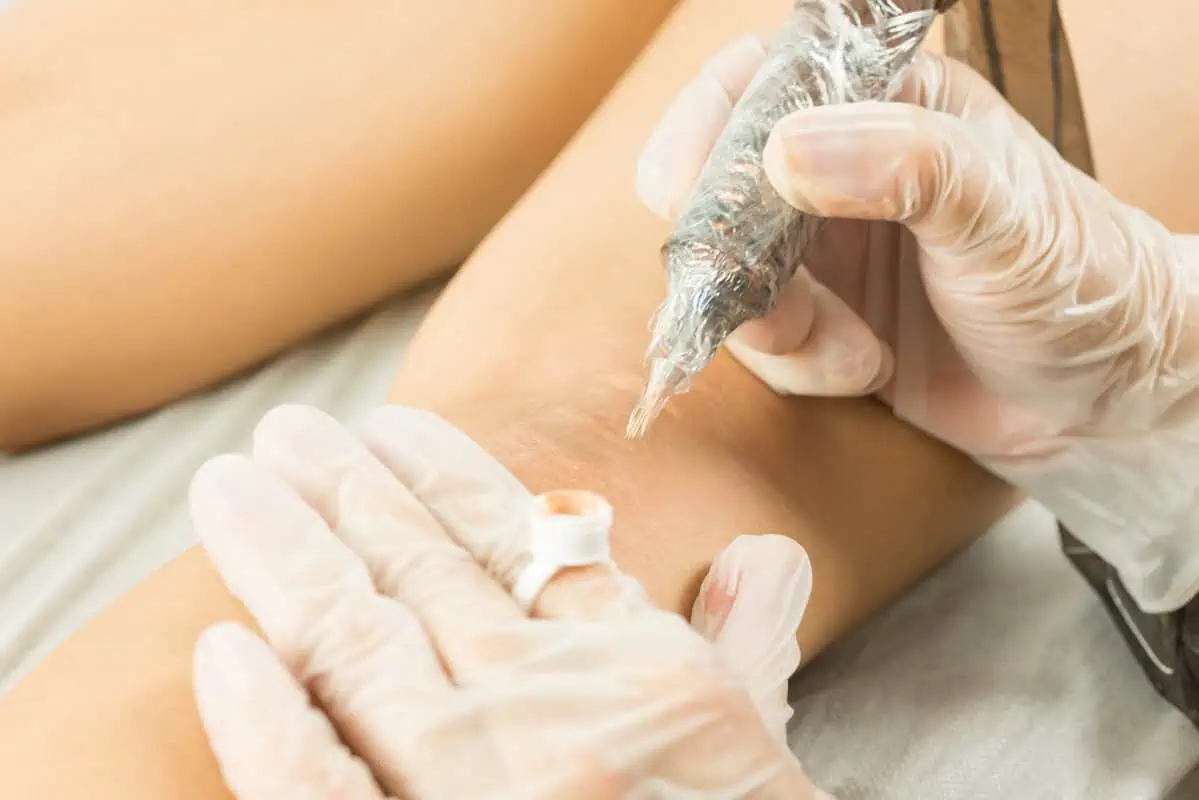
One of the most effective options is PRP Hair Rejuvenation. This treatment involves microneedling followed by platelet-rich plasma injections into the scalp. The goal is to stimulate dormant follicles and improve overall hair quality.
Here is what to expect with PRP:
- Typically 2 to 3 treatments spaced one month apart
- Results begin around 3 months after the final session
- Reduced shedding and stronger existing hair
- Increased thickness, with many patients noticing visible improvement
For patients looking for a natural approach, Nutrafol supplements can support hair growth from within. These are considered natural hair regrowth treatments for thinning hair, helping improve strength and reduce brittleness over time. Additional support like Hairbiotic and Hair Serum can further improve scalp and hair health.
For more stubborn cases, combination plans may be recommended. The goal is always to match the treatment to how long the hair loss has been present and how your scalp is responding.
What To Expect During The Hair Restoration Process
Hair regrowth does not happen overnight, and setting realistic expectations helps avoid unnecessary frustration.
With treatments like PRP, improvement happens gradually. You may notice less shedding first, followed by small signs of regrowth. Over time, hair begins to look fuller and thicker.
The general timeline includes:
- Initial treatments spaced about one month apart
- Early changes in shedding within the first few months
- Visible regrowth around three months after the final session
Consistency matters. Whether you are using in-clinic treatments or supplements, staying on track is key to seeing progress.
How To Support Long-Term Hair Health After Recovery
Once your hair starts to recover, maintaining those results becomes the next focus.
Simple habits can make a difference:
- Managing stress levels to reduce the risk of future shedding
- Keeping a consistent routine with supplements or scalp care
- Watching for early signs of thinning so you can respond quickly
For some patients, occasional maintenance treatments help keep hair density stable, and checking in with a provider ensures your plan stays aligned with your needs over time. To stay consistent with your results, contact us at Peninsula Plastic Surgery for ongoing support and personalized care.
Feeling Like Yourself Again Starts With The Right Support
Dealing with hair loss after stress can feel discouraging, especially when it affects how you see yourself day to day. The important thing to remember is that you have options, and many people are able to restore hair thickness with the right approach.
At Peninsula Plastic Surgery, treatment plans are built around your specific situation. We offer hair regrowth solutions in Salisbury, MD, whether that means PRP therapy, nutritional support, or a combination of solutions.
Start your hair loss treatment today. A personalized plan can make all the difference in getting your hair growth back on track.